Reading the Sky: When It's Actually Safe to Paint Outside in Britain
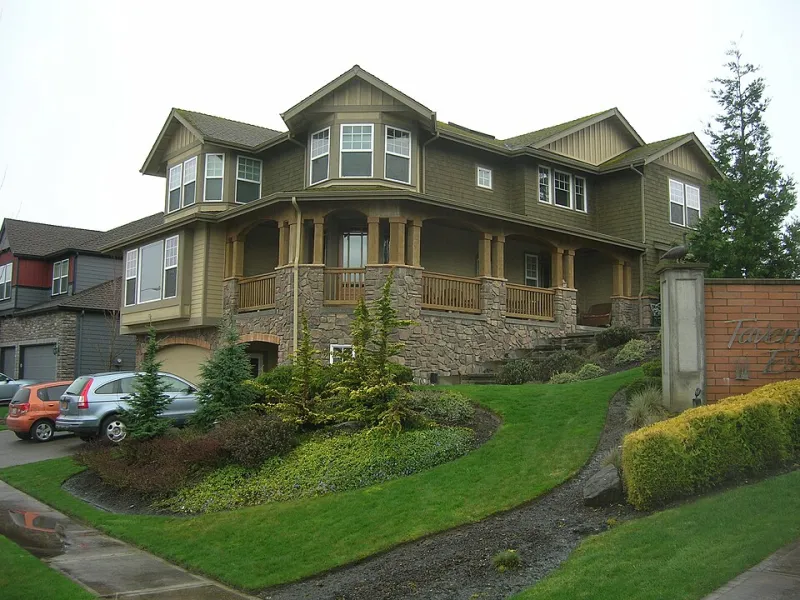
Photo: Carl Nurmi, CC BY 3.0, via Wikimedia Commons
Interior painting is forgiving. Get it slightly wrong and you can sand it back and start again in a room you can still use. Exterior painting is not forgiving. The paint film has to survive everything the Atlantic can throw at it — driven rain, frost, UV, freeze-thaw cycles, and the sort of wind that gets a name on the news.
That means the biggest variable in any exterior decorating job isn't the product or the brush. It's the weather, and how well you read it.
Why outside is a genuinely different job
Three things change the moment you step out of the front door.
First, moisture. Masonry, in particular, holds water. Render, brick and pebbledash can look dry on the surface while still carrying a surprising amount of damp behind it. Paint that over and you trap the water, which is how you end up with blistering and flaking within eighteen months.
Second, temperature swings. A wall in direct sun can be 15°C warmer than the air around it, then drop sharply once the sun goes. Paint that was perfectly workable at 3pm can be tacky and vulnerable by 8pm.
Third, rain. Not rain during application — many modern exterior paints will cope with a shower once they've skinned over — but rain in the important drying window. Water hitting a not-yet-cured film is what ruins finishes.
The numbers that actually matter
Manufacturers' instructions vary, but the practical rules of thumb for UK exteriors are these:
- Air and surface temperature: 10°C and rising for masonry and most exterior emulsions; around 8–10°C and rising for solvent-based woodwork and gloss. Falling temperatures are worse than low temperatures — paint needs to cure, and curing stalls below about 5°C.
- Relative humidity: ideally below 80%. Above that, drying slows dramatically and the risk of a dull, patchy finish climbs.
- Dew point: if the surface temperature is within 3°C of the dew point, don't paint. Condensation will form on the fresh film.
- Wind: keep below about 15mph for spraying and for anything on height. Wind dries the film too fast, causing lap marks, and makes ladders and towers genuinely unsafe.
- Rain forecast: aim for at least four to six hours of dry weather after you finish, longer for masonry.
Spring (March to May)
Spring is the traditional start of the exterior season, and rightly so — but early spring is a trap. March mornings can still sit at 3°C, and a bright, mild afternoon can fool you into starting something that won't cure overnight.
The practical approach: wait until the daytime temperature is reliably holding above 10°C and night frosts have stopped. North-facing and shaded elevations take weeks longer to warm up than a sunny south wall, so plan the back of the house first and the front later, or the reverse, depending on orientation.
Spring is also the best time to do the unglamorous work — washing down, treating mould and algae on render, raking out and filling cracks, and checking gutters. If a wall has a damp problem, spring is when you want to find it, not in October when you're trying to get a front door finished before Christmas.
Summer (June to August)
This is the easiest season, with one specific hazard: heat. Exterior paint applied to a wall in blazing afternoon sun can skin over before it's brushed out, and it will never level properly. The old joiners' rule still holds — follow the shade round the house, starting on the sunny elevation in the morning and moving on as the sun shifts.
Summer is also when sudden convective showers appear from nowhere. Keep an eye on the radar rather than the window, and don't start a masonry wall you can't finish and protect within the dry window.
A useful bonus: summer is the best time for anything that needs the wood to be genuinely dry, like front doors taken off their hinges and painted flat.
Autumn (September to October)
Autumn is often the best-kept secret of the exterior calendar. Temperatures are still workable, the sun is less aggressive, and humidity is usually manageable. Many decorators do their best work in late September.
The line to watch is mid-to-late October. Once overnight temperatures start dropping into single figures and the mornings are wet with dew, you're racing the season. Check the five-day forecast, not the two-day one, and don't begin a job you can't complete.
Autumn is also the time to be strict about surface preparation. Wet leaves, algae and moss on north-facing render are at their worst, and painting over any of it is money thrown away.
Winter (November to February)
Be honest with yourself: exterior painting in a British winter is a specialist job, not a weekend one. Frost, near-constant damp, short days and low light all conspire against you.
There are exceptions. Some modern water-based exterior products will cure at lower temperatures than traditional oil-based gloss, and breathable masonry paints handle cold better than the old sealing types. But you need dry, frost-free weather and a surface that isn't holding moisture — which, in January, is a big ask.
If something absolutely must be done — a front door that's down to bare wood, say — protect what's there. A temporary coat of a breathable primer or a well-secured cover is far better than a rushed finish you'll be stripping next spring.
Preparing the surface properly
Weather aside, most exterior failures are preparation failures. The checklist, briefly:
- Wash down everything, including the bits you think look clean.
- Treat green algae and black mould on render with a suitable fungicidal wash, then allow the wall to dry fully — days, not hours.
- Scrape and sand all flaking and blistering back to a sound edge; feather the edges so they don't telegraph through the new coat.
- Fill cracks and holes with an exterior-grade filler, and check for hollow render that needs cutting out.
- Sand bare timber, and always prime it — bare softwood left unprimed will drink the topcoat unevenly.
- Check for damp. Patchy damp on a wall is a job for a builder before it's a job for a painter.
Warning signs: walk away
- The forecast shows rain within four hours of your planned finish.
- Overnight temperatures are due to drop below 5°C.
- The wall is cold to the back of your hand, even in the afternoon.
- It's blowing a hoolie — anything much over 15mph and you're inviting lap marks and an unplanned trip to A&E.
- The surface is still damp from yesterday's rain, or from a leaking gutter you haven't sorted.
- The dew is still heavy at 10am and the wall is in shade.
Planning the year
For a typical UK home, the sensible shape of the year looks like this: spring for prep and the shaded elevations, summer for front doors and any spraying, early autumn for the last big push on render and woodwork, and winter for survey and planning only.
Book the decorator earlier than you think. In a good year the exterior season in Britain is realistically late April to mid-October, and the best slots go first. If you want a front door done before winter, the conversation should be happening in spring.