Wet Paint, Normal Life: Redecorating an Occupied Home Without Losing the Plot
An occupied-house repaint is a different animal from the empty-room makeover you see on telly. There’s no skip on the drive, no chance of eating takeaway for a fortnight and no magical point where the whole house is off-limits. In a British November, with the heating on and the windows shut, you need a plan that assumes life carries on: school runs, muddy paws, washing that has to dry somewhere and a kettle that needs to boil.
That doesn’t mean you can’t get a proper job done. It means you plan around the inconvenience instead of pretending it won’t happen.
Pick the order by inconvenience, not ambition
The temptation is to start with the room you most want finished. Resist it. Start with the room you can live without for the longest. A spare bedroom, a dining room you only use at Christmas or a study that can be closed off is a far better first project than the only bathroom or the hallway everyone walks through.
If you’re doing several rooms, work from the top of the house down and from least-used to most-used. That way you’re not tracking dust through freshly painted spaces, and you’re not painting the stairs while the upstairs landing is still a building site. Bedrooms should be done one at a time, not stripped out together. Nobody wants to discover on a Tuesday night that every bed is in the landing.
Also, be honest about timing. If you’ve got a family birthday, a houseful at Christmas or a work deadline coming up, don’t start a room that has to be back in service by Friday. A sensible order is the one that keeps the house functioning, not the one that looks best on a mood board.
Make a dust border, not a dust house
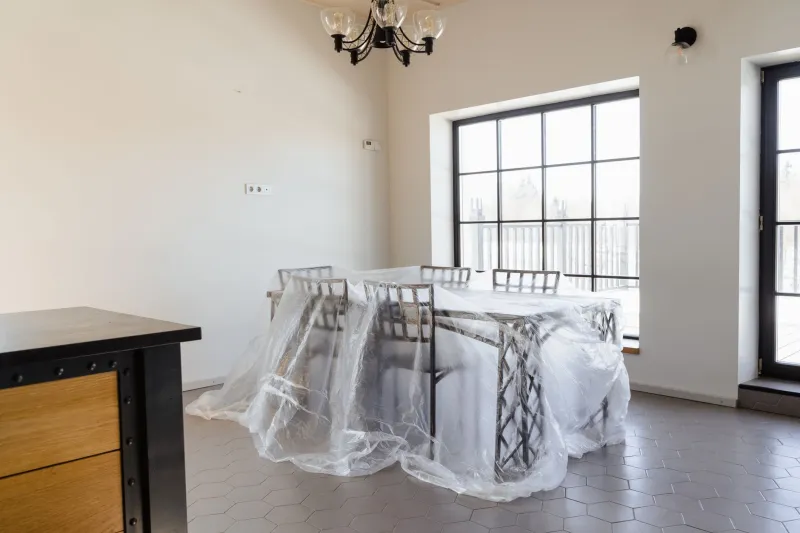
Dust is the thing that makes an occupied job feel worse than it is. You can’t eliminate it, but you can stop it travelling. Cover furniture with cotton dust sheets rather than thin plastic where possible, because plastic slides off and traps condensation. Use builder’s paper or heavy-duty floor protection on carpets and hard floors, and tape it down properly. A roll of polythene and a decent tape gun will earn their keep.
For doorways, a temporary dust sheet taped across the opening makes a huge difference. Leave a gap for ventilation and access, but keep the sheet hanging down so sanding dust settles on it rather than drifting into the rest of the house. If you’re sanding, use a sanding block with dust extraction or dampen the surface slightly where it’s safe to do so. Wipe surfaces with a damp cloth rather than dry-brushing dust into the air.
Remove curtains, cushions and soft furnishings before you start. Put pets out of the room, and keep children out with a stair gate or a closed door. This is not being precious; it’s how you avoid a second job cleaning everything afterwards.
Let the paint dry on its own terms
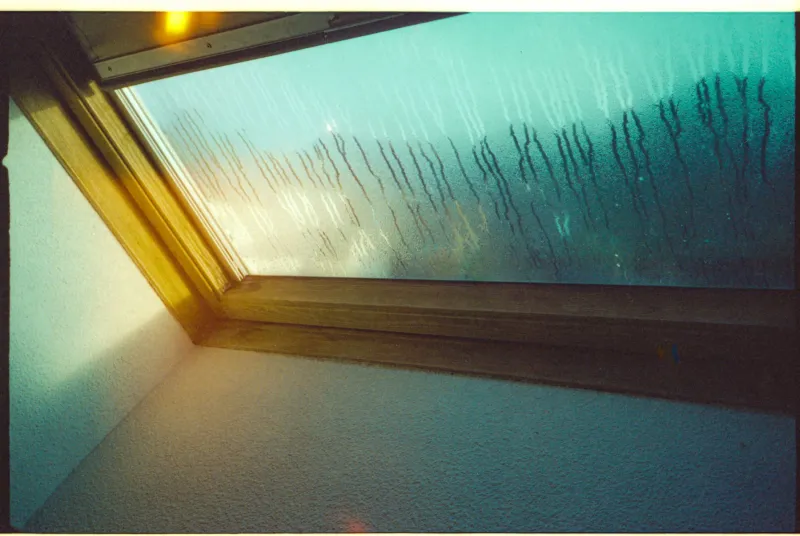
Drying times on the tin are a guide, not a promise. In a cool, humid British house in November, water-based paints can take longer to lose their surface water, and oil-based paints can stay tacky for what feels like forever. Keep the room at a sensible temperature — around 15–20°C is comfortable — and avoid blasting the heating directly at fresh paint. Open a window briefly to let moist air out, but don’t leave the room cold enough to stop the paint curing.
Don’t rush recoats. If the paint feels cool and slightly soft, it isn’t ready. Woodwork is the usual culprit: people touch it after a day and find it still marks. Give doors, skirting and frames 24 hours before normal use, and longer before you put anything heavy against them. Low-VOC water-based paints are easier to live with, but they still need time.
Shuffle furniture without a removal van
You don’t need to empty the house. You need to move things to the middle of the room, stack what you can and protect what you can’t move. Furniture sliders or old towels under the feet make shifting a sofa or wardrobe far less dramatic. Beds can often be pushed to the centre and the bedding bagged up, but don’t paint yourself into a corner — leave a clear route to the door and don’t block stairs or fire exits with temporary storage.
If you’re painting a bedroom, strip the bed and turn the mattress on its side if possible. If you’re doing a living room, take the cushions and throws out of the room entirely. Small items are the ones that get splattered or lost under dust sheets.
Keep the daily routine moving
Plan the week like you’re running a small operation. Decide where the family will eat, where school bags will live and how the dog will get to the garden without walking through wet paint. A strip of masking tape across a doorway, a handwritten ‘wet paint’ sign and a agreed route through the house are surprisingly effective.
Don’t try to paint an entire room in one heroic evening after work. Cut in and roll one wall, let it dry, then do the next. It’s slower on paper but faster in reality because you’re not treading on tacky skirting at 11pm. Keep a dedicated painting outfit and a damp cloth handy, and accept that the house will look slightly unhinged for a few days.
Weather, heating and the British November problem
Ventilation and warmth pull in opposite directions at this time of year. You need air movement to help paint dry and to clear fumes, but you don’t want the room cold or the rest of the house freezing. Short bursts of ventilation are usually better than leaving a window wide open all day. Don’t dry laundry in the room you’re painting, and keep bathroom extractor fans running after a shower if you’re working nearby.
If the weather turns properly grim, don’t be tempted to paint exterior woodwork or a front door just because you’ve got a free afternoon. Interior rooms are the sensible focus now. Save the outside jobs for a dry, mild spell.
Know when to hand over the roller
Some occupied jobs are manageable as a DIY project. Others are not, and there’s no shame in admitting that a hallway with four doors and a complicated stairwell is better done by someone who does it every week. A good decorator will build the dust protection, drying time and furniture shuffle into the schedule rather than pretending it’s a one-day job.
The goal isn’t a show-home finish while you’re still living in it. It’s a house that keeps working, a finish that lasts and a minimum of domestic chaos. Plan for the inconvenience, protect the bits you can’t replace and give the paint the time it actually needs.